What Product Sample Kits Are — And Why Beauty Brands Use Them
A product sample kit is a small, curated package that lets a customer try a formula, shade, texture, or routine before committing to a full-size purchase. Beauty brands use sample kits for retail counter testers, press and influencer seeding, subscription inserts, gift-with-purchase, and ecommerce trial offers. The kit should feel intentional: every item should support a clear test, routine, or discovery story. Sample packaging also needs to protect the contents through handling, storage, and transit while staying light enough to ship economically.
Sample Packaging Formats
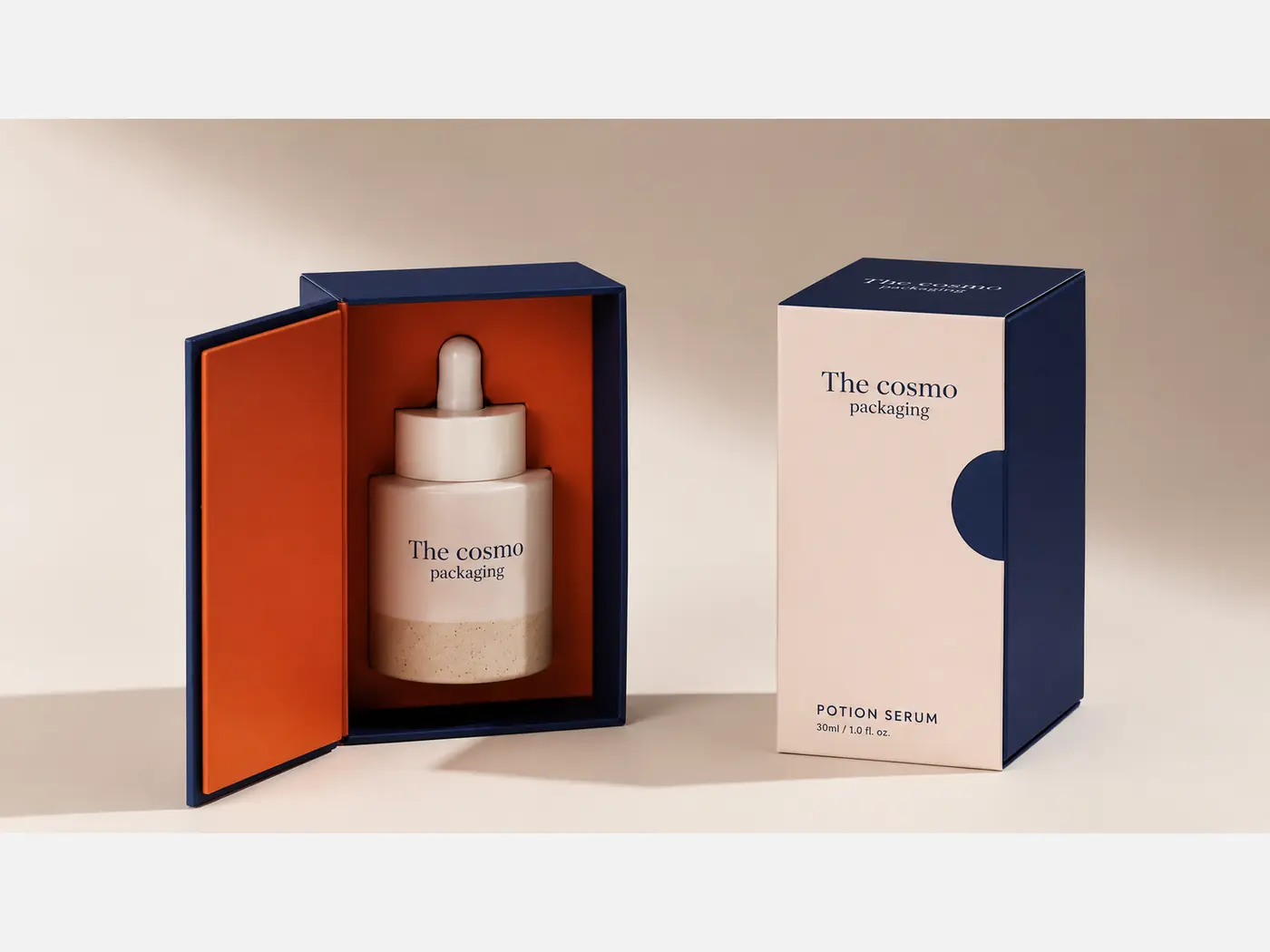
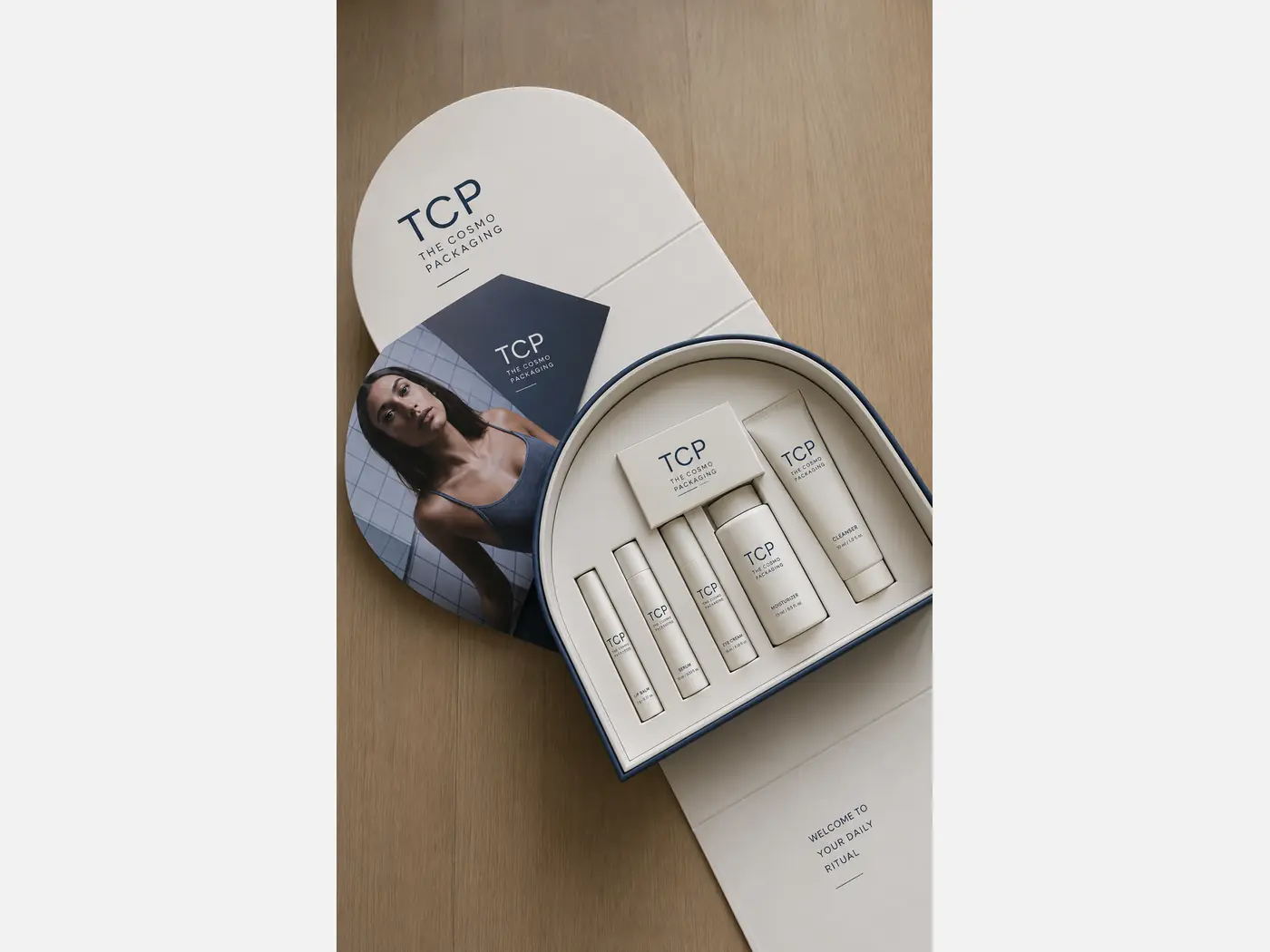
Common formats include sachets and pouches for liquid or powder samples, mini cartons for single-product trials, and sample kit boxes with fitted inserts for multi-item discovery sets. Sachets are lightweight and resealable but offer limited branding surface. Mini cartons present a small retail unit but may not protect liquids as securely. A sample kit box can combine several formats in one opening: a mailer or rigid outer shell with a die-cut insert that holds sachets, mini bottles, jars, cards, and instructions. Styles worth considering include /styles/mailer-box/, /styles/magnetic-box/, /styles/drawer-box/, and /styles/sleeve-tray/. Materials worth reviewing include /materials/rigid/, /materials/corrugated/, and /materials/cardstock/.
Designing A Sample Kit That Converts
The first impression belongs to the outer packaging and the opening motion. Use the exterior to signal sample size or routine type, then lead with a short insert card that explains what is inside and why it matters. Place the hero item first, followed by supporting samples in routine order: cleanse, treat, protect, or morning-to-night. Keep labels readable at a glance and avoid requiring the recipient to decode the kit. If the kit is meant to drive a purchase, include a clear code, URL, or insert prompt that makes the next step obvious.
Compliance Basics For Cosmetic Samples
Sample packaging should carry enough information for safe and informed use. Ingredient labeling, batch tracing, product identity, warnings, and usage directions may still apply depending on the product category and intended market. Work with the packaging partner to confirm what must appear on or inside the sample pack so the design leaves adequate panel space. Avoid broad environmental or health claims that cannot be supported. A short, accurate ingredient statement and clear product identity help the customer understand the sample without overpromising.
Quantity And MOQ Planning
Most sample kit styles run at 100 units minimum. Mylar bag and pouch formats typically run at 250 units. Paper tube formats typically run at 500 units. Typical sample kit orders range from 100 to 500 units, depending on whether the kit supports a launch drop, a subscription quarter, or a retail counter program. Using one consistent structure across several SKUs keeps the insert and artwork simpler to manage. Factor in test samples, damaged units, and possible resends before confirming the final production quantity.
Cost Factors
Sample kit packaging cost is shaped by outer box style and dimensions, board weight and material, printing method and coverage, finishes, inserts, labeling, sample fulfillment, and quantity. Smaller or thinner-walled structures, simple finishes, and unified SKUs tend to reduce unit cost. Custom die-cut inserts, foil or embossing, inside printing, and protective outer shipping packaging add production steps. The best comparison starts with the exact sample set, dimensions, preferred material, quantity, artwork status, and delivery destination.
How Sample Kits Support Retail Pitching And Counter Testers
A branded sample kit sent to a buyer, counter manager, or store partner carries more authority than loose samples. A structured kit shows production confidence, fits shelf or counter presentation, and makes it easy for the team to explain the range. Keep the kit compact, stackable, and easy to open and reset during busy retail hours. Include concise product notes and suggested placement so the counter team can display the range without extra sourcing.
Subscription Inserts And Ecommerce Trial Kits
Subscription programs benefit from repeatable sample kits that match the mailer or box size already in use. The insert should guide the subscriber through new products without requiring guesswork. Multi-product kits work best when each item has its own slot or wrap so bottles, jars, and sachets do not shift during delivery. Keep the kit light enough to avoid adding excessive shipping cost, but structured enough to protect breakable items.
Sample Packet And Sachet Packaging Guidance
Sachets and sample packets work when the formula, texture, or shade is best experienced quickly. Choose a barrier structure that protects the formula from light, moisture, or aroma transfer. Resealable zippers, tear notches, and clean flap design help customers control the sample portion. Printed sachets should use legible type at small scale and keep required copy readable without crowding the seal area. Place sachets in a pouch envelope or insert pocket so they do not obscure other kit content when the box opens.
Tips For A Successful Sample Kit Launch
Test the kit with the final products before approving production. Check that inserts hold all items, that cards and sachets stay visible, and that the outer structure survives parcel handling. Request a proof that shows the printed surfaces, insert layout, and any finishes. Confirm the unboxing sequence reads well on a phone screen, because many recipients will film or photograph the reveal before trying the product.