What Makeup Packaging Covers
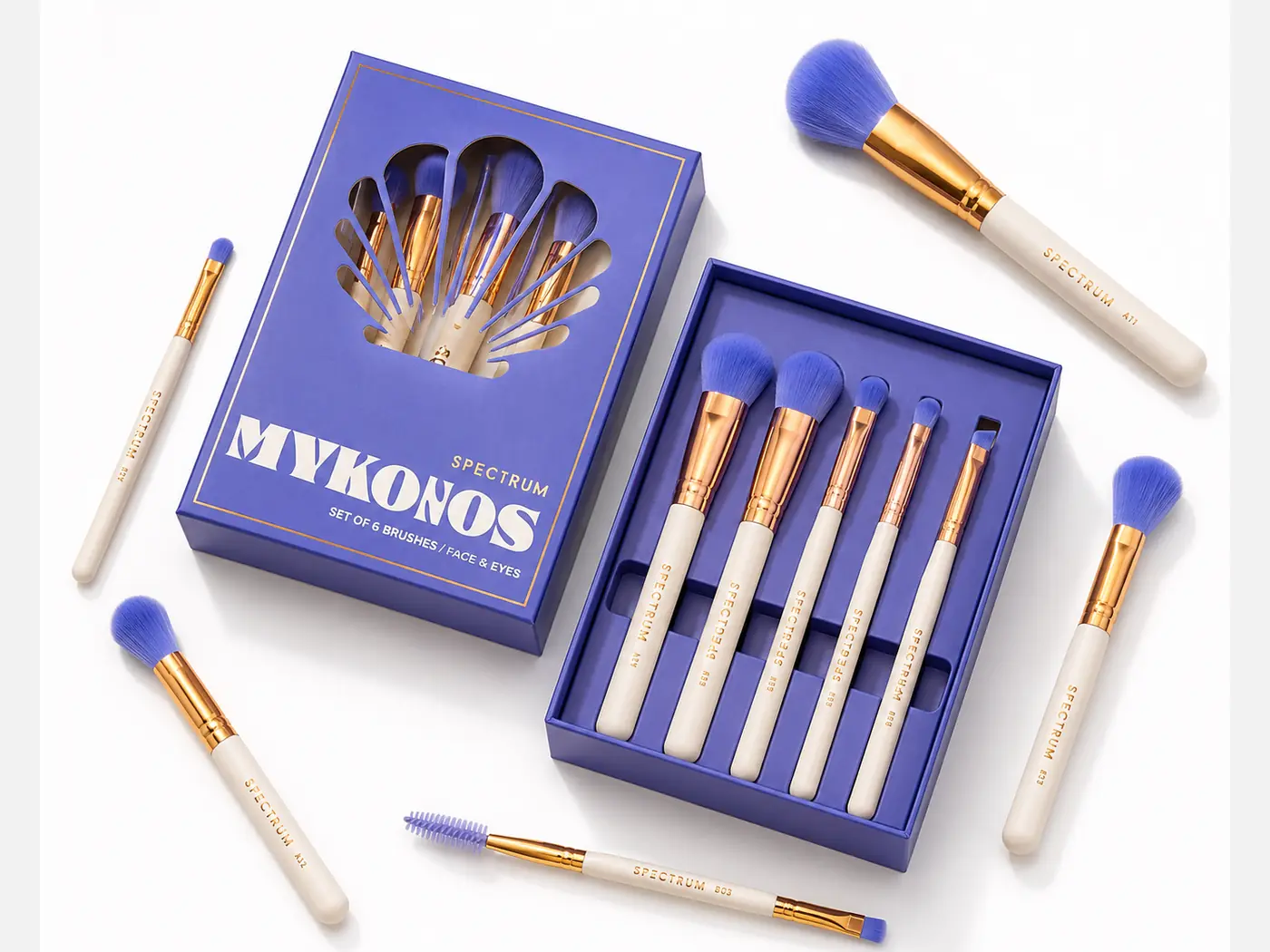
Makeup packaging covers a wide range of beauty products: lipstick tubes, mascara wands, foundation bottles and compacts, powder palettes, makeup brushes, lip liners, highlighters, concealers, and multi-product sets. Each format has different structural needs. A lipstick tube needs a precise slotted carton that prevents movement without scuffing the bullet. A mascara wand needs a slim, straight box that protects the brush shape. A foundation compact needs a broad carton with clearance for the hinge and mirror. A brush set needs a long structure with handle notches instead of bristle compression. The best packaging plan starts by identifying each product's most fragile dimension and the required panel space for labeling, shade identification, barcodes, and ingredient copy.
Choosing Packaging By Makeup Product Type
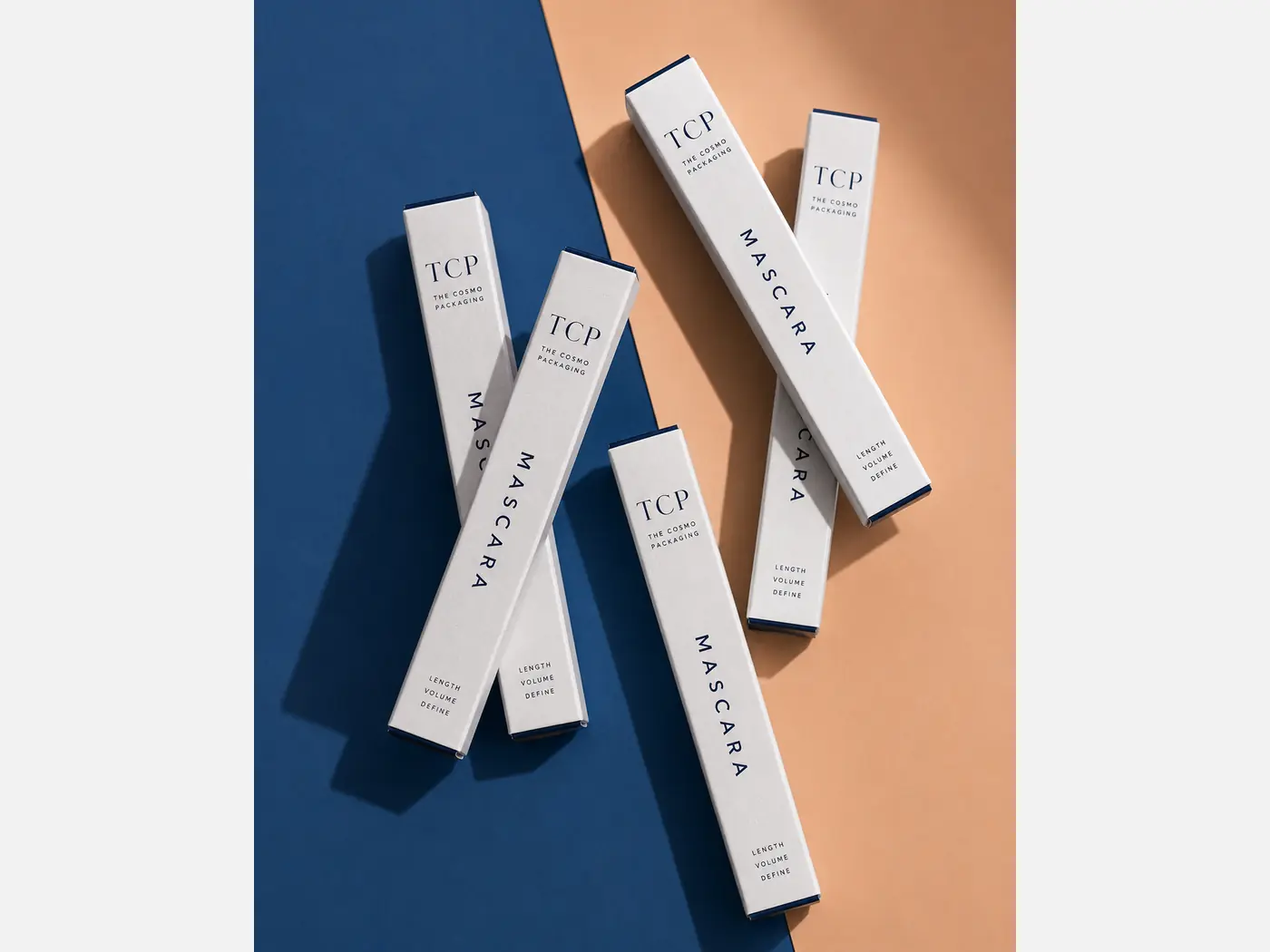
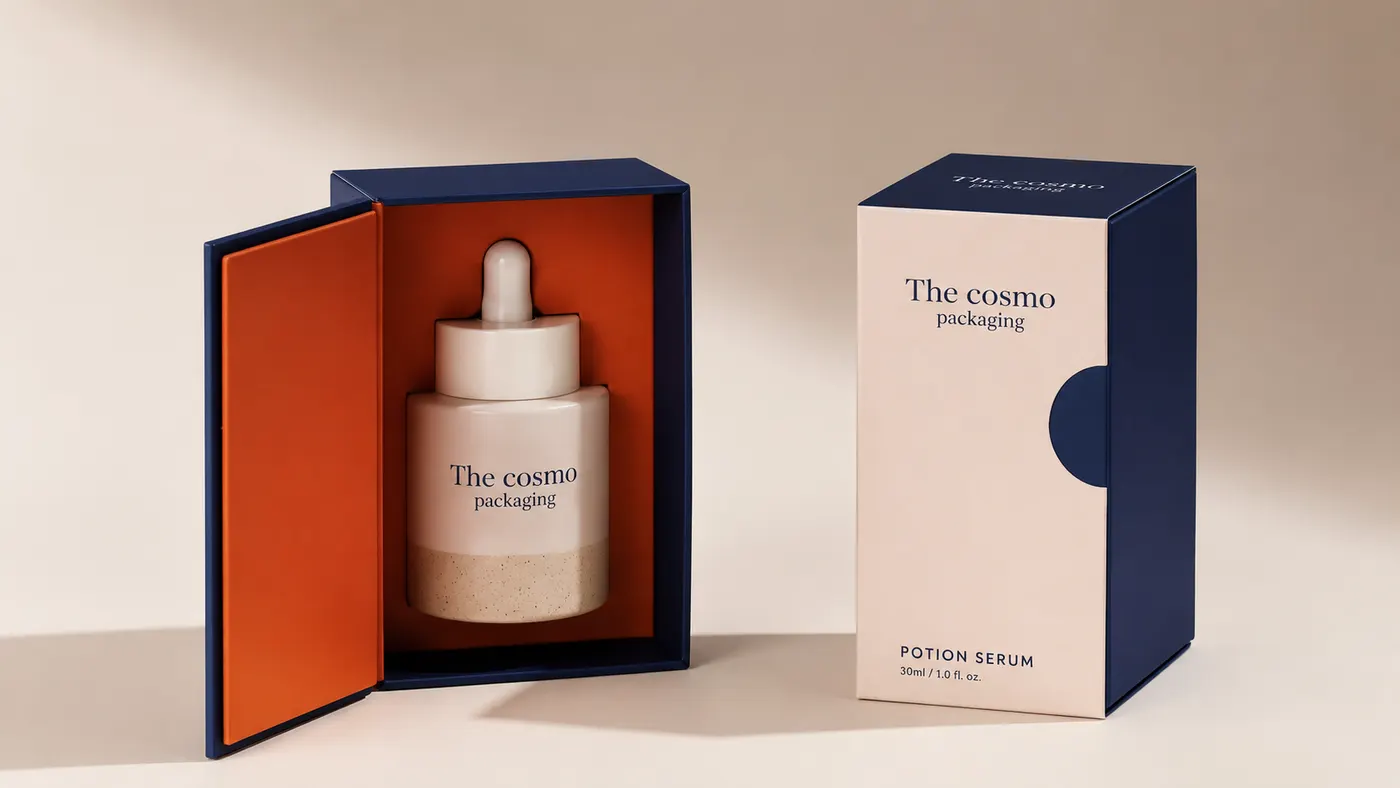
Lipstick boxes need snug internal dimensions because a few millimeters can affect tube stability and shelf alignment. Mascara boxes require end-panel shade coding for easy retail sorting. Foundation boxes should account for bottle weight, cap or pump height, and glass protection — heavier glass may need a paperboard fitment or reinforced base. Makeup brush boxes keep bristles clean by using handle notches rather than compressing brush heads. Palette and compact boxes need a broad, flat carton with clearance for the hinge and mirror. For multi-product sets such as full-face kits or gifting bundles, a coordinated insert system can keep each item visible while protecting fragile components during shipping.
Box Styles And Inserts For Fragile Multi-Piece Makeup
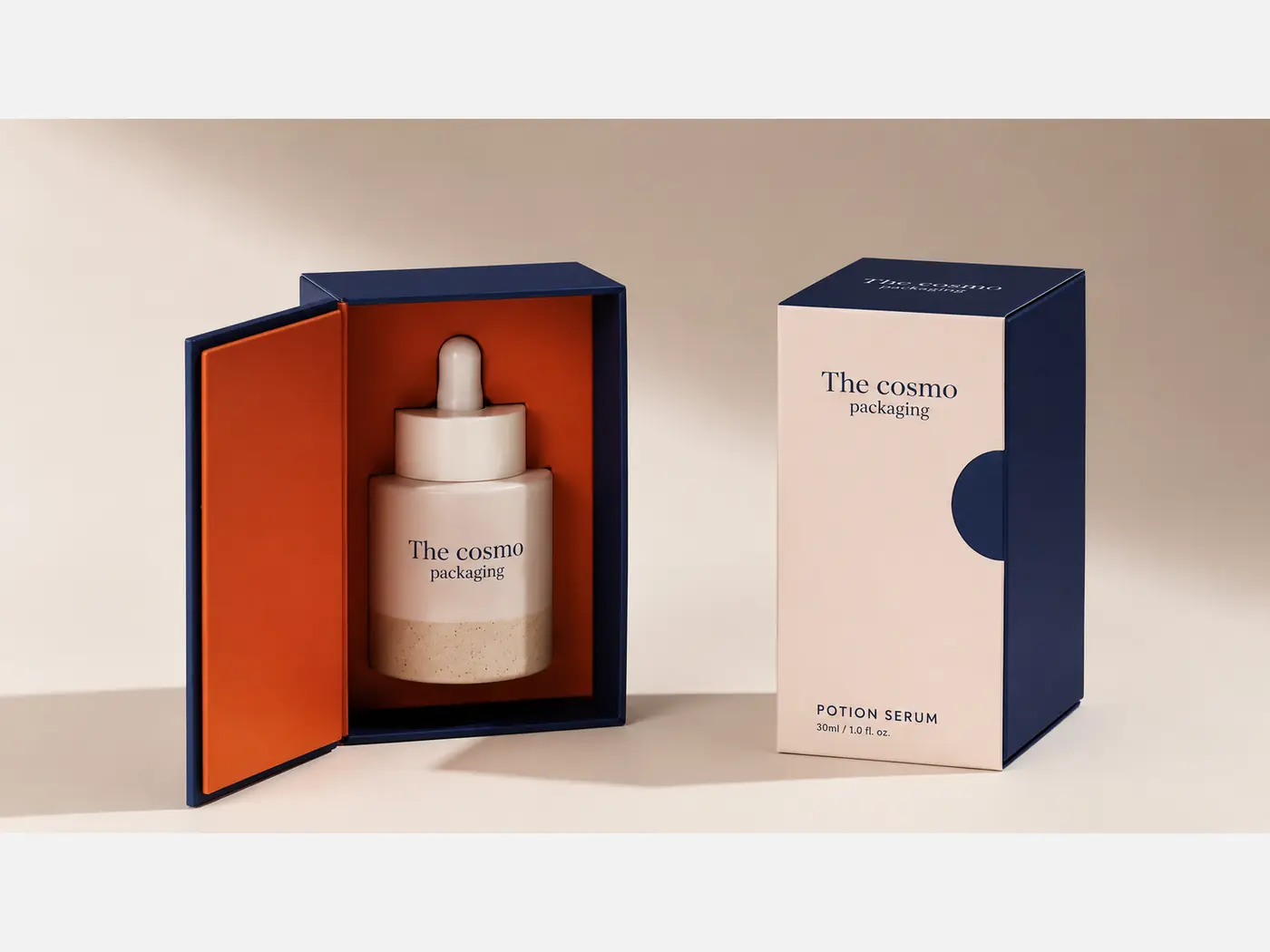
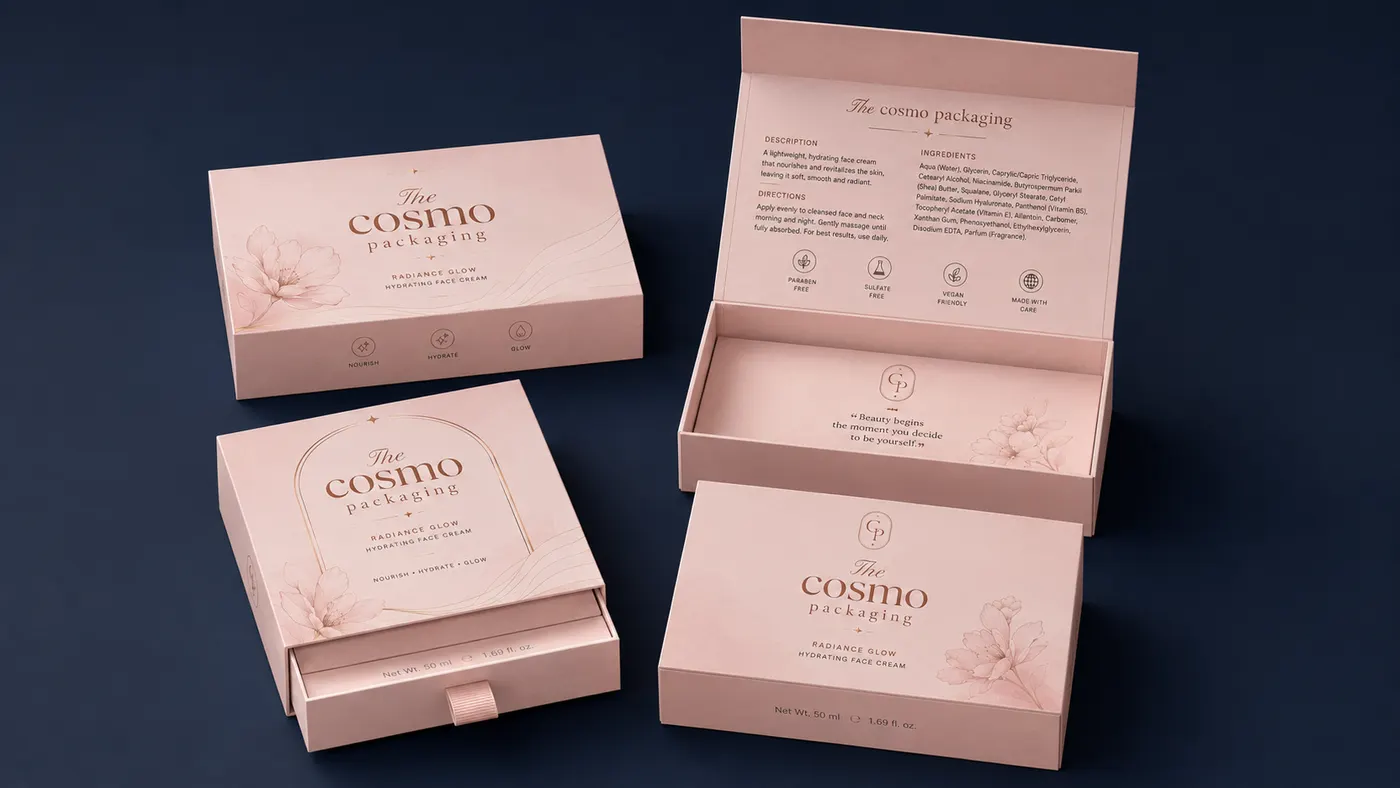
Folding cartons with tuck closures are the standard for individual makeup products because they are efficient to produce and easy to pack. For multi-piece sets, /styles/tuck-box/ or /styles/mailer-box/ with dividers gives each product its own secure compartment. Rigid /styles/magnetic-box/ or /styles/drawer-box/ formats work for higher-value launches where unboxing presentation matters. /styles/sleeve-tray/ adds a layered reveal for curated sets. Inserts should be chosen by product fragility: paperboard fitments for single items, cardboard dividers for multi-product separation, and foam or molded-pulp inserts for glass bottles and compacts that need extra impact protection.
Materials And Finishes For A Premium Makeup Look
Board choice affects print quality, structural feel, and sustainability. /materials/cardstock/ (SBS) is the standard for clean retail cartons with sharp CMYK print. /materials/kraft/ suits natural or minimal packaging where ink coverage is low. /materials/rigid/ board wrapped in textured or soft-touch paper creates a premium weight for gift sets and limited editions. /materials/ccnb/ provides a cost-effective coated surface for folding cartons when interior grey does not matter. For finishes, matte and soft-touch lamination feel restrained and modern, gloss adds shelf pop, foil and embossing draw attention to brand marks or product names, and spot UV can highlight specific artwork details.
MOQ For Makeup Packaging
Minimum order quantity for most makeup box styles starts at 100 units. For early launches or shade testing, that MOQ allows a brand to produce lipstick and mascara cartons, small foundation runs, or brush set boxes without overcommitting. Mylar bag formats start at 250 units, and paper tube formats start at 500 units. The most efficient way to confirm MOQ for a specific makeup product is to share the structure, dimensions, print coverage, and finish direction so the minimum can be quoted accurately against that brief.
Print And Finish Tips For Retail Shelf Appeal
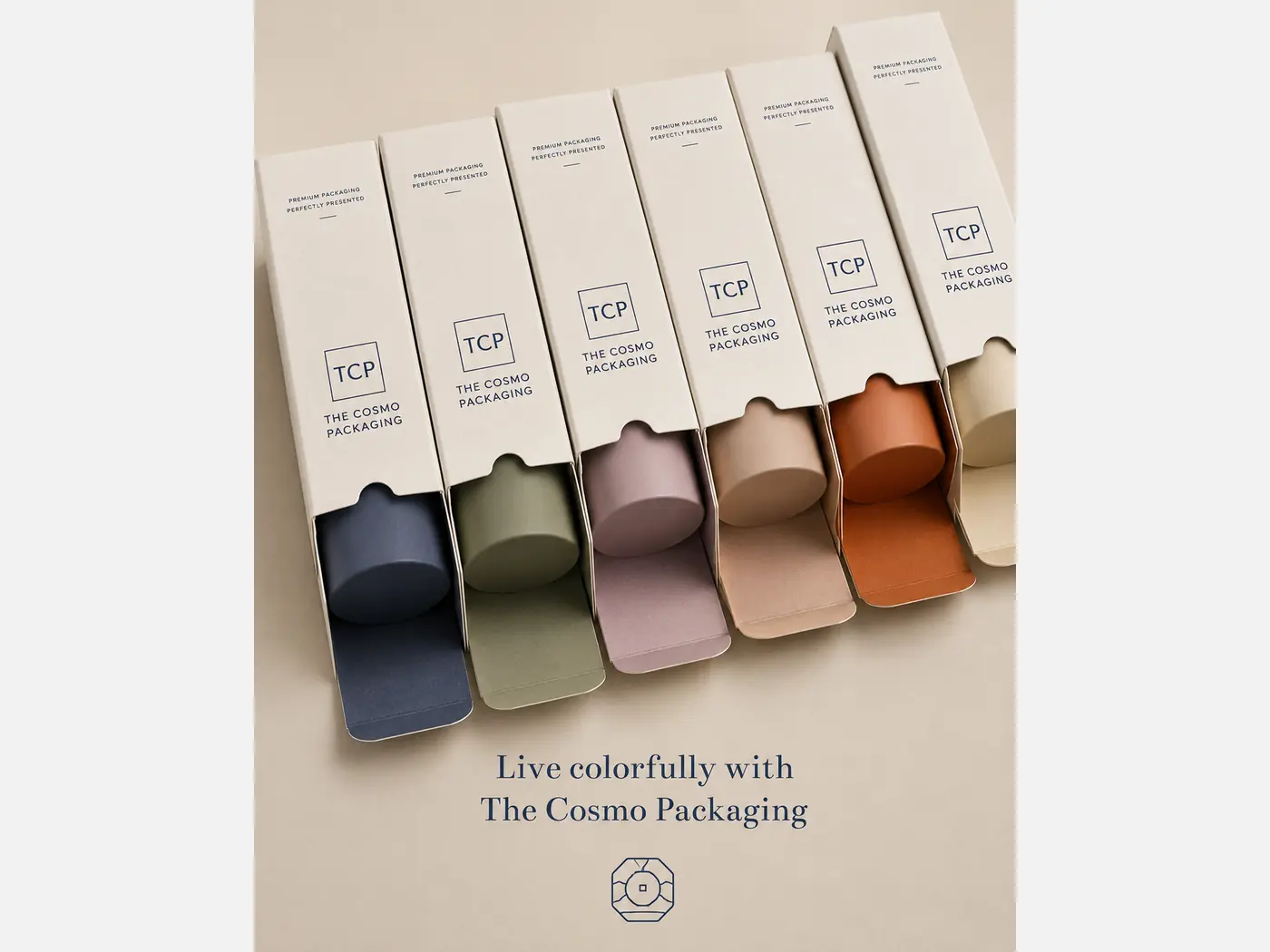
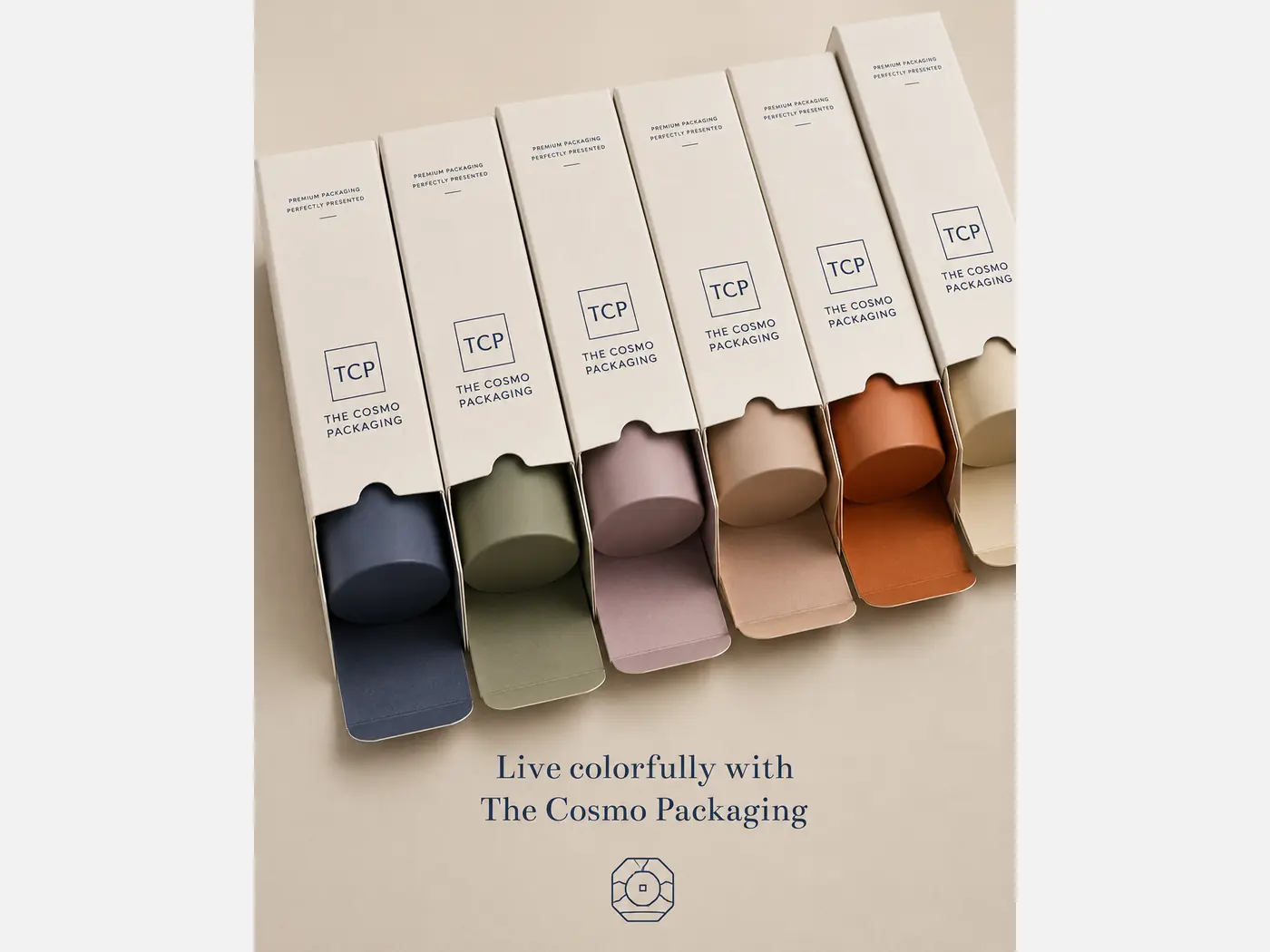
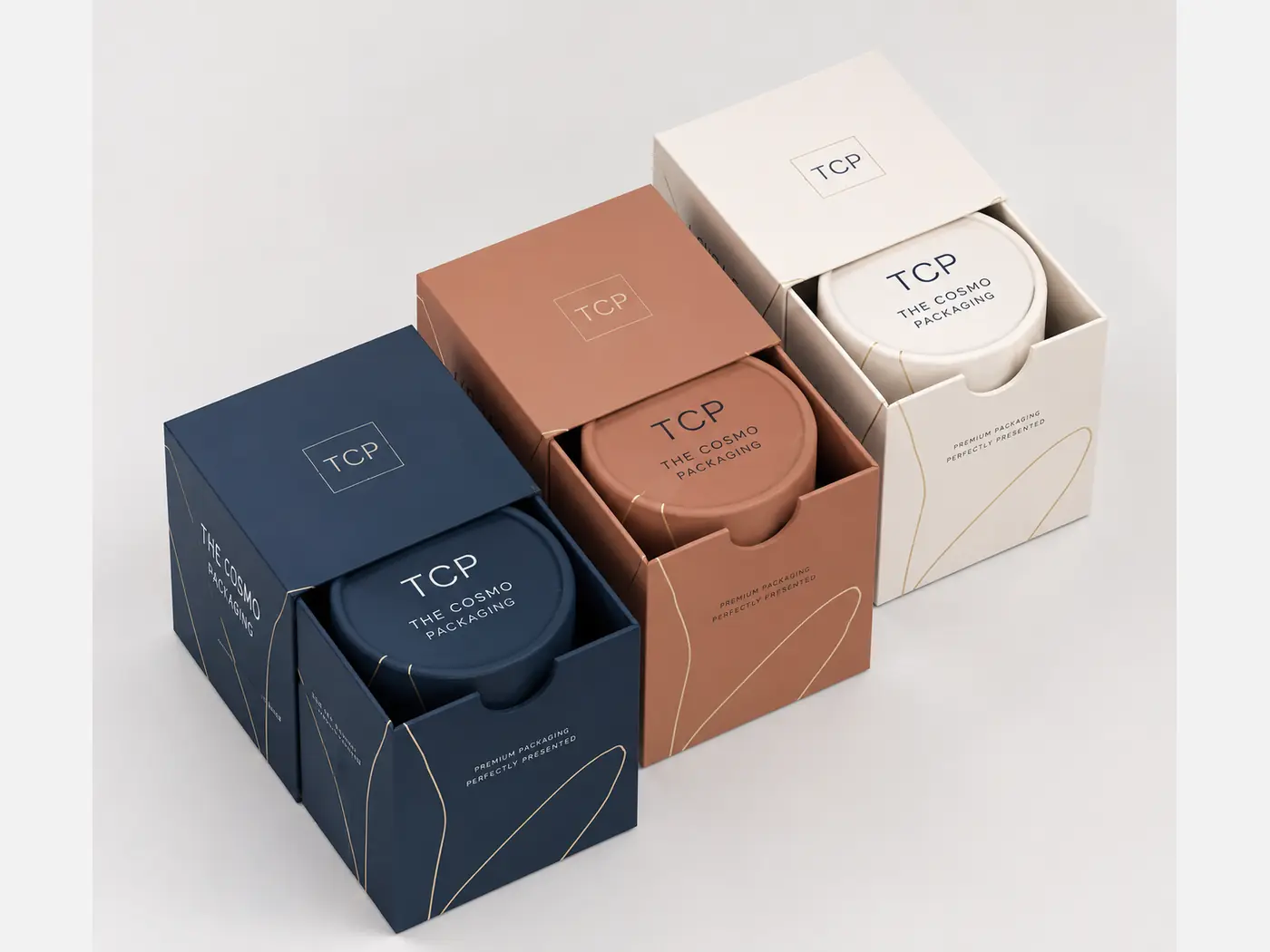
Makeup packaging competes on a shelf with dozens of other products in the same category. The most effective color or finish choice depends on product weight, brand position, and retail context: bold colors can help a product stand out in a busy display, while restrained neutrals may suit a premium counter. Foil on the brand name often helps small cartons stay legible. Soft-touch lamination invites touch, which can improve pick-up rates. Keep shade identification readable from a distance, because customers often scan rows of similar-sized cartons by color or shade name.
Production Timeline For Makeup Boxes
For standard folding cartons, production typically completes from 7 days after proof approval, making this a practical option for launch planning and reorder cycles. More complex structures, rigid boxes, specialty finishes, or custom inserts add to the timeline. The most accurate schedule comes after the box style, finish, and quantity are confirmed against the product dimensions and artwork readiness.